
How should $500,000 improve Chicago’s parks?
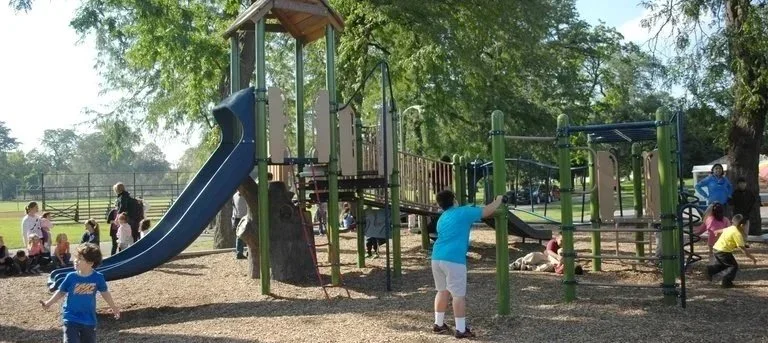
McKinley Park (Source: Chicago Park District)
Chicago’s parks have long been more than just green spaces — they are gathering places, community and cultural anchors, and essential resources that shape the health and identity of our neighborhoods. Whether it’s walking along the lakefront, enjoying a neighborhood festival, or spending time at a local playground, parks offer space to relax, recharge, connect, and simply be outside.
But access to these benefits is not shared equally across the city. Too many neighborhoods — particularly on the South and West Sides — face barriers to safe, well-maintained, and fully resourced parks. Chronic underfunding has led to reduced programming, deferred maintenance, and staff shortages that limit what these spaces can offer. In other cases, parks are threatened by industrial expansion, or environmental damage, tied to nearby development, putting both the land and the surrounding communities at risk. When communities don’t have access to clean, vibrant parks, the impact goes beyond just missing green space; it affects health, well-being, and the overall quality of life.
That’s why organizations like Friends of the Parks continue to stand alongside Chicago residents in advocating for equitable investment, environmental protection, and community-driven decision-making. By organizing, educating, and pushing for accountability, we are helping communities fight to preserve and strengthen these vital public spaces—ensuring that every Chicagoan, no matter their zip code, has access to parks that are safe, welcoming, and thriving.
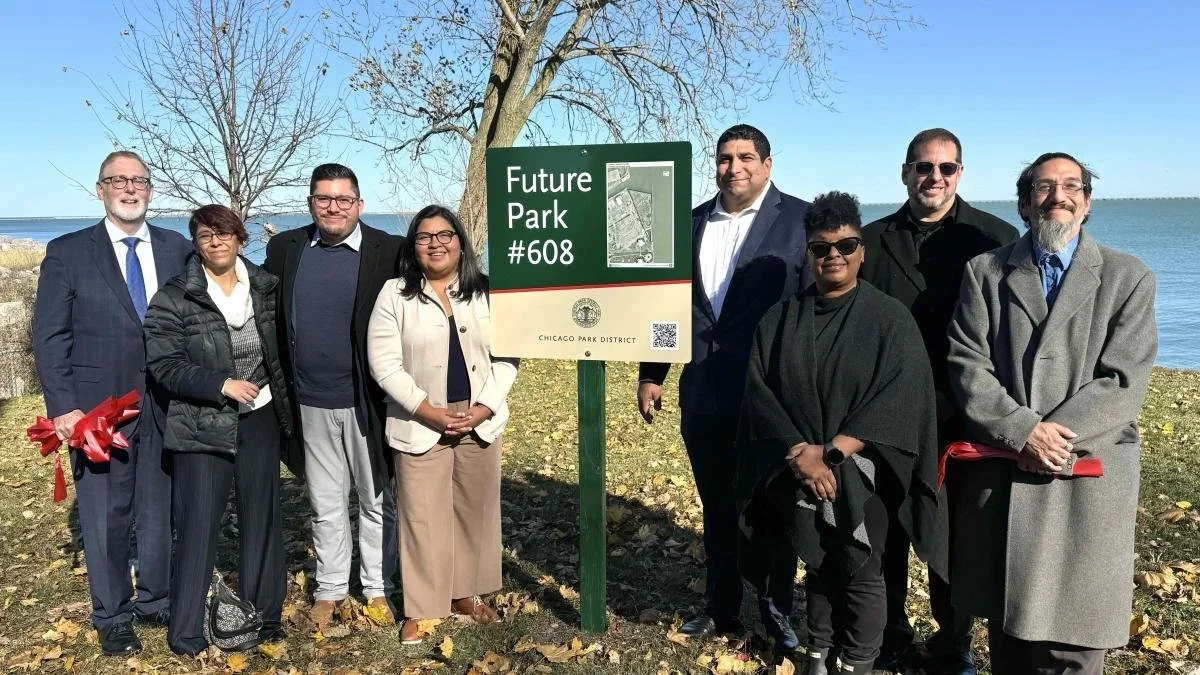
A powerful example of that advocacy is unfolding on the city’s Southeast Side. FOTP, Alliance for the Southeast (ASE), the Environmental Law & Policy Center (ELPC), community members, and allies secured a significant victory by stopping the U.S. Army Corps of Engineers from expanding a toxic landfill along the lakefront. This achievement moves the Southeast Side closer to finally getting a long-promised park; one shaped by community voices, grounded in environmental justice, and focused on fair access to open space for everyone.
At the same time, conversations about the future of Chicago’s parks are gaining momentum. With new funding opportunities emerging and public input actively encouraged, residents are being asked to help shape what comes next.
Taking inspiration from the advocacy efforts of Friends of the Parks and the growing public dialogue around park improvements, we turned to our own community. We asked a simple but revealing question:
If you could invest $500,000 into a Chicago park, which one would it be, and why?
McKinley Park: “I think McKinley Park. I have lived near this park most of my life and the neighborhood isn't the best, but this park has always been full of busy and filled with beautiful families, and I think that park is still very beautiful but needs some new paint or new equipment to make it as beautiful as it once was. Just needs a new look.” - Monsarrat, 23
Maggie Daley: “I’d choose Maggie Daley, and here’s why: it proved that Chicago can do world-class public space when it actually tries. With $500K, I’d fund free busing from underserved neighborhoods so more kids can access it, because the best park in the city shouldn’t have a zip code as a barrier to entry.” - Jeffrey, 27
West Pullman Park: “West Pullman Park because, as is the case for many south side parks, it has great historical buildings and nature spaces that don’t seem that well maintained, it would give a good nature spot for people living in the South and West Side who don't live close to the lake.” - Linnaea, 28
Horner Park: “What kind of park? Could it be Horner Park? I like how it is near the river walk, near schools, and it's a big park where a lot of people can gather. It would be nice to invest in park programs to get the community together. Horner park is in a pretty central location and it’d be a nice draw in for people to come visit and not always just go downtown when they think of a nice park?” - Ida, 33
Marquette Park & West Lawn: “I would choose two! Marquette Park for the argument of I remember growing up near that area and always found it refreshing to see families bring their kids over there to play. I'd probably put the money there for the playground equipment and probs something for safety. For West Lawn, I would argue similar reasons but mainly just using the funds to add things like water fountains, better equipment, maybe even add some picnic tables for people to sit down and eat.” - Zander, 22
Logan Square Dog Park (Park #556): “I’d choose the Logan Square Dog Park! I’ve lived in Logan since I was a kid and then moved as a young adult from other parts of the city like Bridgeport, downtown, Lincoln Park, Portage Park – like literally all over. And as someone who has lived in Logan again for the last 15 years, being the only designated dog park is just sad compared to others. It started as just grass and rocks and an area that was closed off near the highway. And even though it has been slightly improved with pavement. It still is so bare. There isn’t really any kind of shade for the dogs. Or any other forms of enrichment. It’s also near the expressway so maybe just an even better location in general within the neighborhood would be cool.” - Ari, 34
North Shore Trail: “I would invest $500,000 in the North Shore Channel Trail because it is convenient, in a beautiful location, can get people places without cars, and can use some more love and care. The trail is very convenient for me and many others because it offers us a way to get places without a car. It is also just in a very beautiful area, you can look at the lake as you walk by and enjoy the seasonal weather.” - Meadow, 20
Palmisano Park: “Probably Palmisano Park in Bridgeport. It’s not huge, but it packs in so much— amazing skyline views, those peaceful wetlands, and a really unique landscape for a neighborhood park. It’s got that “everything in a small package” feel, which makes it stand out compared to bigger, more generic parks. I’d put the $500,000 toward enhancing what’s already working — maybe better seating areas, improved lighting, and some subtle upgrades to the trails and lookout spots so more people can comfortably enjoy the space. It already feels like a true community park, and with a little more investment, it could become an even stronger hub for the neighborhood.” - Georgia, 31
Humboldt Park: “If I had $500,000 to invest in a Chicago park, I’d probably choose Humboldt Park. From what I’ve personally seen, it’s one of the parks with a larger number of unhoused residents, so it feels like a place where funding could make a really direct and meaningful impact on people’s day-to-day lives.
I also think it’s important not to focus only on improving the physical park itself. I’d want the investment to go toward both community support and long-term solutions. For example, funding could support more community-based programs in the park — things that make the space feel safer, more welcoming, and inclusive for everyone. At the same time, some of that money should go toward resources nearby that help people transition out of homelessness, like partnerships with local organizations that offer housing support, mental health services, and job assistance.
For me, it’s not really about choosing one approach over the other. It’s about doing both — supporting people where they are right now while also creating opportunities so fewer people have to rely on living in the park in the future.” - Tiffany, 29
Welles Park: “While it is hard to choose one specific park, I am going to choose the park I personally use the most - Welles Park - as an example of one that has suffered from lack of funding. I have noticed the number of employees that maintained the park has declined. Because of this, the indoor facilities, such as the pools and locker rooms, are left dirty, and the bug problems are particularly bad in the summer. If the parks with pools could receive more funding to pay employees, that would be more effective to maintain the park.” - Hope, 32
Jensen Park: “I would like to invest in Jensen Park. It is underfunded and it's the only community park in Albany Park. It currently doesn't have any summer programming for children and I believe it needs more resources to provide services to the community.” - Mara, 48
